In the pursuit of justice, the crime scene represents both the origin of the mystery and the potential solution to it. It is a silent witness to the crime, holding vital clues that can either exonerate the innocent or incriminate the guilty. The methods used to search and process these crime scenes form the cornerstone of modern criminal investigations. This article provides a detailed exploration of crime scene search methods, their significance, types, procedures, and relevance in Indian criminal jurisprudence.
Whether you are a law student, forensic science enthusiast, criminal lawyer, or an informed citizen, understanding these methods offers a fascinating look into the backbone of investigative work.
What Are Crime Scene Search Methods?
Crime scene search methods refer to systematic procedures followed by investigators to locate, collect, preserve, and document physical evidence from a crime scene. The effectiveness of an investigation hinges greatly on how meticulously the scene is examined. A compromised search may lead to crucial evidence being overlooked or contaminated, potentially affecting the trial’s outcome.
Before diving into search methods, it’s essential to understand the broader phases that encompass the crime scene investigation:
Securing and Isolating the Scene
Preliminary Survey
Documentation (photography, sketching, notes)
Systematic Search for Evidence
Collection and Packaging of Evidence
Final Survey
Release of the Scene
The fourth step—systematic search—is where crime scene search methods play their most critical role.
Types of Crime Scene Search Methods
There is no universal technique applicable to every scene. The method chosen depends on the location, type of crime, available personnel, and complexity of the scene.
1. Grid Method
The grid search method involves the scene being searched twice in perpendicular directions, forming a grid. It is highly effective for large, open areas where evidence like shell casings, fibers, or footprints might be dispersed.
Best used for: Outdoor homicide scenes, post-blast scenes, or large-scale assaults.
Advantages:
Increases the likelihood of locating minute evidence
Offers double coverage
Disadvantages:
Time-consuming
Requires more personnel and coordination
2. Spiral Search Method
The spiral method involves a single officer starting from a central point and moving outward (or vice versa) in a spiral path. This method is less structured but sometimes necessary when only one investigator is present.
Best used for: Limited personnel scenarios, underwater searches, or small indoor scenes.
Advantages:
Simple and can be conducted by one person
Useful in confined spaces
Disadvantages:
Risk of uneven coverage
Challenging in cluttered environments
3. Strip (or Line) Search Method
Investigators walk in parallel lines across the scene, typically used in large open areas such as fields or parking lots.
Best used for: Outdoor crime scenes, search for large objects (like weapons).
Advantages:
Systematic and easily supervised
Suitable for large areas
Disadvantages:
Less effective for small or hidden evidence
Requires more manpower
4. Zone (Quadrant) Search Method
The area is divided into zones or quadrants, each assigned to a team or individual. Each section is searched independently using any of the above methods.
Best used for: Indoor scenes, vehicles, multiple-room houses.
Advantages:
Allows division of labor
Facilitates focused searching in complex areas
Disadvantages:
Requires efficient coordination
May cause overlap or missed areas if not properly managed
5. Wheel (or Radial) Search Method
Searchers start from a central point and move outward in straight lines, like spokes of a wheel.
Best used for: Small circular areas, such as intersections or blast centers.
Advantages:
Central point covered thoroughly
Useful for locating origin points
Disadvantages:
Gaps between the “spokes” can lead to missed evidence
Not ideal for large areas
Modern Tools Enhancing Crime Scene Searches
Technology has revolutionized traditional search methods. While manual techniques remain foundational, modern tools supplement them:
1. Drones
Used for aerial photography of large or inaccessible areas—especially in outdoor crime scenes.
2. 3D Laser Scanning
Helps create a virtual model of the scene, allowing for detailed review later.
3. Alternate Light Sources (ALS)
Used to identify biological fluids, fibers, or residues not visible under normal lighting.
4. Metal Detectors and Ground Penetrating Radar (GPR)
Useful for locating buried weapons, bullets, or human remains.
Key Principles in Crime Scene Search
Regardless of the method used, several guiding principles must be followed:
1. Locard’s Exchange Principle
Every contact leaves a trace. Investigators work on the presumption that the criminal has brought something into the crime scene and taken something from it.
2. Preservation of the Scene
No one enters without authorization. Contamination must be minimized.
3. Systematic Approach
The scene must be approached methodically to prevent overlooked evidence.
Each item of evidence must be documented, labelled, and tracked to ensure its integrity in court.
Application in Indian Legal Framework
In India, the Code of Criminal Procedure (BNSS now), Bharatiya Nyaya Sanhita (BNS), and Indian Evidence Act (renamed as Bharatiya Sakshya Adhiniyam) do not prescribe a specific crime scene search method but emphasize evidence collection, documentation, and admissibility.
Relevant Provisions:
Section 173 BNSS – Police report must include details of the scene and collected evidence.
Section 62 BSA (Bharatiya Sakshya Adhiniyam) – Emphasizes on documentary and electronic evidence.
Section 100 BNSS – Mandates proper procedure during search and seizure.
FSL (Forensic Science Laboratory) Involvement: Crime scenes involving unnatural deaths, rapes, bombings, or poisoning often require FSL experts to participate in the scene search to ensure scientific methods are adopted.
Challenges in Indian Context
Despite the growing awareness and legal reforms, crime scene searches in India face the following challenges:
Delayed arrival at the scene due to traffic or jurisdiction confusion
Scene contamination by media, public, or untrained police officers
Lack of trained crime scene officers, especially in rural areas
Inadequate resources for scientific search tools
Improper documentation and poor chain of custody maintenance
Best Practices for Effective Crime Scene Searches
Immediate Securing of the Scene
Use of PPE to prevent contamination
Photographic and video documentation before moving anything
Labeling and preserving evidence with tamper-proof seals
Cross-functional coordination between police, forensic experts, and legal officers
Detailed scene notes with sketches and measurements
Case Studies Highlighting Crime Scene Search Impact
Timely collection of DNA, blood samples, and CCTV footage formed the backbone of the prosecution’s case. A zone search method was primarily used across the crime vehicle and the road area.
2. Aarushi Talwar Case (Noida, 2008)
The mishandling of the crime scene, loss of evidence, and delayed forensic analysis became a textbook case for what not to do at a crime scene.
International Perspective and Indian Progress
Many developed nations have codified crime scene protocols. For example, the FBI has a Crime Scene Search Study Guide, and the UK has the National Crime Scene Strategy. India is gradually adopting these frameworks, with the Directorate of Forensic Science Services (DFSS) playing a key role in upgrading standards.
Several state police forces now have Mobile Forensic Units, and training modules on crime scene search are becoming mandatory at police academies.
Conclusion
Crime scene search methods are not mere technicalities—they are foundational to justice delivery. An efficient search may uncover the truth; a careless one might bury it forever. As forensic science integrates further into criminal litigation in India, awareness and education about these techniques become critical for all legal stakeholders.
Whether a defense advocate contesting the reliability of recovered evidence, or a prosecutor relying on blood spatter analysis, or a judge weighing the admissibility of a fingerprint report—the method of collection holds significant weight.
As India strides toward a more forensic-driven legal system, refining and standardizing crime scene search methods will be a game-changer for both law enforcement and the judiciary.
FAQs on Crime Scene Search Methods
Q1. Who is responsible for searching a crime scene in India? The Investigating Officer (IO), often accompanied by forensic experts and photographers, is responsible for conducting the crime scene search.
Q2. Can evidence be rejected in court due to improper search methods? Yes. If it is shown that the evidence was tampered with or collected without following proper procedures, it may be declared inadmissible.
Q3. What is the first priority upon reaching a crime scene? Securing the scene to prevent contamination and unauthorized entry is the first and foremost priority.
Q4. Is photography mandatory before evidence collection? Yes. Detailed photography ensures that the position and condition of evidence are recorded before being disturbed.
Q5. How are search methods taught in India? Crime scene search techniques are taught in police training academies, forensic science courses, and during workshops conducted by forensic institutions.
Q6. Are drones legally permitted in crime scene search in India? Yes, but their use must comply with DGCA regulations and privacy laws, and usually under official authorization.
Disclaimer: This content is generated with the assistance of artificial intelligence (AI) tools and may contain errors. The content provided herein is not intended for use in any capacity, including but not limited to legal, informational, advisory, or educational purposes, and must not be relied upon under any circumstances. All information must be verified with the original source. Consult an advocate before taking any step.
Abhishek Gandhi is a practicing Advocate at the Delhi High Court and Saket Courts. The areas of practice includes Criminal Litigation – bail applications, appeals, and quashing of FIRs, NDPS, POSH, POCSO cases, Cheque Bounce (138 NI) cases, Matrimonial & Family Law – Divorce, maintenance, domestic violence cases, cybercrime, IPR- Patent, Trademark infringement, Service & Employment Law. Also an Empaneled Advocate for Pro Bono Legal Services, Department of Justice (DoJ), Government of India (Reg. No. NB/DL/2024/12280).
Forensic engineering is a fascinating field that combines the principles of engineering with the intricacies of law to solve complex problems, particularly when it comes to understanding failures or accidents in structures, machinery, and materials. By applying scientific methods and engineering expertise, forensic engineers provide critical insights that can help resolve legal disputes, determine liability, and even prevent future failures.
In this blog, we will explore how forensic engineering bridges the gap between science and law and why it plays a vital role in legal and insurance sectors.
What Is Forensic Engineering?
Forensic engineering is the application of engineering principles to investigate and analyze failures, accidents, or malfunctions in various systems. The goal is to identify the causes of an incident, assess the extent of damage, and determine the role of human error, design flaws, or external factors.
Forensic engineers use their specialized knowledge in fields like mechanical, civil, electrical, and structural engineering to understand how and why something went wrong. Their findings are often used as evidence in legal cases, insurance claims, or safety improvements.
The Role of Forensic Engineering in Legal Cases
In the world of law, facts are paramount. When an incident occurs—be it a car crash, building collapse, or industrial accident—one of the first steps in a legal case is determining the cause of the event. Forensic engineers provide the scientific and technical expertise needed to unravel the causes of these events. Their work is crucial in helping legal professionals understand the underlying factors that contributed to the accident.
Forensic engineers can testify in court, presenting evidence and offering expert opinions on what went wrong. This often involves analyzing physical evidence, performing experiments, and recreating scenarios to determine the root cause of the failure.
How Forensic Engineers Work
Forensic engineers apply a wide range of scientific methods and investigative techniques to identify the causes of an incident. They might use techniques such as:
Material analysis: Investigating the properties of materials involved in a failure, such as the strength of metals or concrete.
Failure analysis: Studying how and why a structure or component failed under stress or duress.
Reconstruction: Rebuilding the sequence of events that led to an accident to understand the exact cause.
Testing: Conducting experiments or simulations to see how materials or systems behave under specific conditions.
Their work often involves collaboration with other professionals, such as legal teams, accident investigators, and insurance experts, to ensure a thorough analysis is conducted.
The Intersection of Science and Law
Forensic engineering is unique because it operates at the intersection of science and law. While engineers are trained to think analytically and solve technical problems, they also need to communicate their findings in a way that is understandable to non-experts, such as lawyers, judges, or juries.
This requires forensic engineers to not only have technical expertise but also the ability to convey complex information in a clear, concise, and accessible manner. Their role extends beyond just investigating failures—they must also play an integral part in the legal process, helping to bridge the gap between technical evidence and legal arguments.
Forensic Engineering in Insurance Claims
Insurance companies also rely heavily on forensic engineers to evaluate claims. In the case of a fire, flood, or accident, insurers often need to determine the cause of the damage to assess liability and determine payouts. Forensic engineers help insurance companies by providing expert opinions and conducting investigations that verify the origin of the incident.
By helping to determine whether a claim is valid or not, forensic engineers play a significant role in ensuring fair settlements and protecting both consumers and insurers from fraud.
Conclusion
Forensic engineering is a crucial discipline that combines the rigor of engineering science with the demands of legal investigations. By determining the cause of failures or accidents, forensic engineers provide valuable insights that help bridge the gap between science and law. Whether it’s in a courtroom, an insurance office, or a safety audit, forensic engineers play a vital role in ensuring justice and preventing future disasters. Explore here how forensic engineering can assist in your case, and uncover how these experts help solve real-world problems by using science to make sense of complex failures.
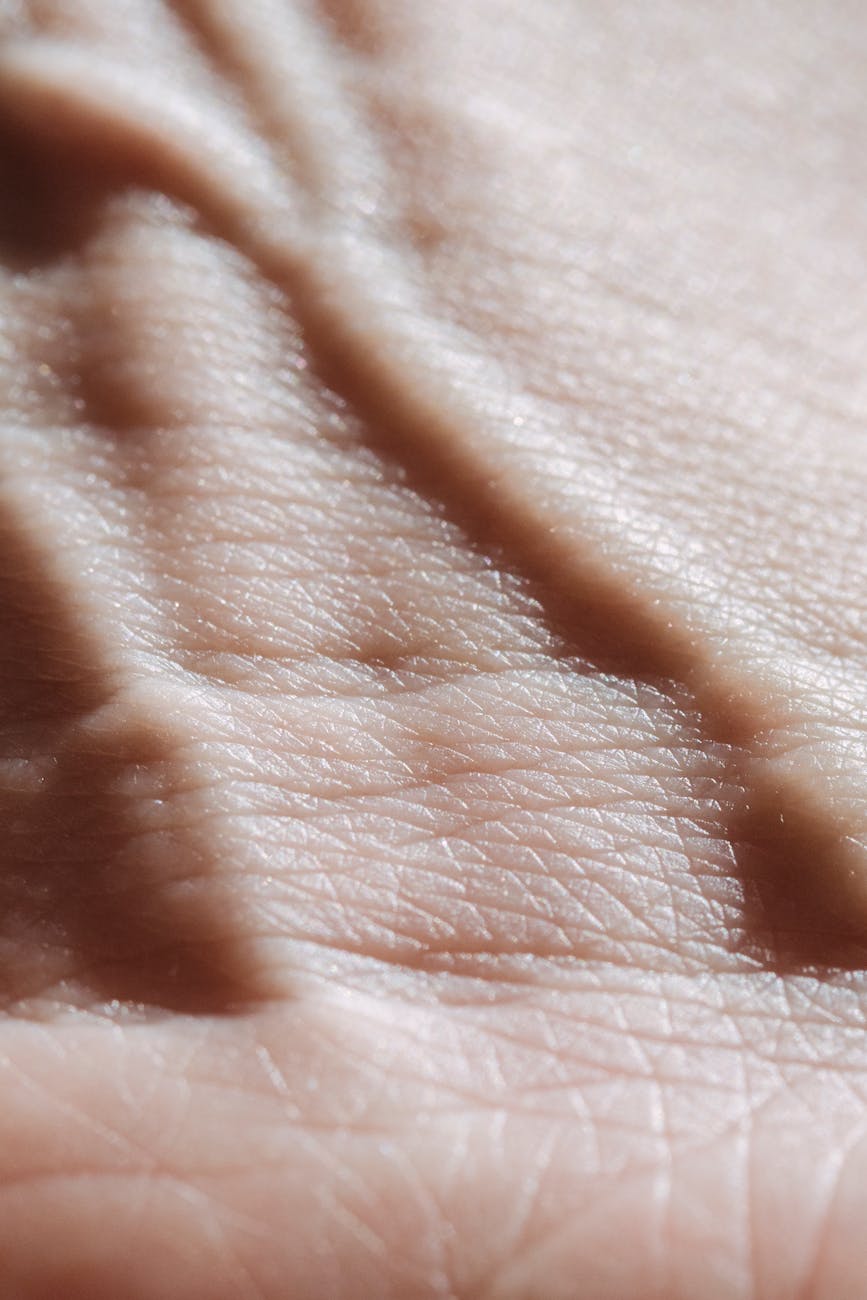
Via John Britto, vein patterns are the unique patterns of veins found on the surface of the skin. They are formed by the network of veins that carry blood throughout the body. Vein patterns are just as unique as fingerprints and can be used to identify individuals. A Biometric Breakthrough
In the realm of security, innovation is constantly at play, seeking new and more secure ways to safeguard our identities and assets. Among these advancements, vein pattern recognition has emerged as a promising biometric technology, offering a unique and reliable method of identification.
Imagine a world where your palm is your key – a world where a simple scan of your hand can unlock doors, authorize transactions, and protect your sensitive information. This is the promise of vein pattern recognition, a technology that harnesses the intricate network of veins beneath our skin to create a personalized biometric signature.
The Uniqueness of Vein Patterns
Just as fingerprints and iris patterns, vein patterns are unique to each individual. The intricate arrangement of veins in our palms, formed during embryonic development, remains unchanged throughout our lives. This inherent uniqueness makes vein patterns an ideal biometric identifier, offering a high level of security and preventing unauthorized access.
Capturing Vein Patterns
Unlike fingerprints that are easily smudged or altered, vein patterns reside beneath the skin, making them immune to such manipulations. To capture these patterns, near-infrared light is used to illuminate the palm, causing the veins to absorb the light and appear darker against the surrounding tissue. This creates a detailed image of the vein pattern, which can then be analyzed and stored as a biometric template.
Enhancing Security
In contrast to fingerprint or facial recognition systems, vein pattern recognition offers several advantages. Veins are located beneath the surface of the skin, making them more resistant to forgery or replication. Additionally, vein patterns are not easily visible to the naked eye, reducing the risk of unauthorized capture or surveillance.
Applications of Vein Pattern Recognition
The potential applications of vein pattern recognition extend far beyond personal security. It can be used to control access to sensitive areas, such as data centres or restricted zones. It can also be integrated into payment systems, allowing for secure and convenient transactions without the need for physical cards or PINs.
Conclusion
Vein pattern recognition represents a significant leap forward in biometric technology, offering a unique, secure, and convenient method of identification. As the technology continues to mature, we can expect to see its adoption expand across various sectors, transforming the way we interact with the digital world.
Proteomics, the study of proteins and their interactions, is an emerging field of science that holds immense potential in understanding and managing various diseases. By analyzing the structure, function, abundance, and interactions of proteins…
Introduction
Proteomics, the study of proteins and their interactions, is an emerging field of science that holds immense potential in understanding and managing various diseases. By analyzing the structure, function, abundance, and interactions of proteins in different cells, scientists can gain valuable insights that contribute to more effective diagnostic and treatment strategies. In this article, we explore the fascinating world of proteomics, its applications in forensic science, and how aspiring researchers can embark on a rewarding journey in this field.
Understanding Proteomics
Proteomics encompasses a range of disciplines within biology, including genomics, metabolomics, and lipidomics. The term “proteome” refers to the complete set of proteins expressed in a cell or organism. Coined in 1975 when the first proteins were isolated and mapped, proteomics has evolved significantly over the years. Today, researchers can employ proteomics to study genes, genomes, protein interactions, and even gain mechanistic insights into tumor growth and metastasis.
Applications in Forensic Science
Forensic science benefits greatly from the advancements in proteomics, offering a new and powerful tool for investigating and solving crimes. While extracting proteins may pose challenges compared to DNA analysis, proteins can provide answers to questions that DNA alone cannot address.
Proteomic analysis allows scientists to detect traces of drugs or other substances in evidence, establish connections between individuals involved in a crime, and determine the age and condition of evidence left at a crime scene. By leveraging the information encoded in proteins, forensic scientists can make significant breakthroughs and bring justice to victims.
This section will delve deeper into the applications and benefits of proteomics in forensic science.
1. Establishing the Origin of Biological Material
Proteomics plays a pivotal role in identifying the origin of biological material found at crime scenes. By analyzing the proteins present in a sample, forensic scientists can determine the species, tissue type, or fluid it originates from. This information is invaluable in linking a specific individual to a crime or establishing the presence of substances, such as drugs or toxins, in the sample. Unlike DNA analysis, which provides limited information about the source of the biological material, proteomics offers a more comprehensive understanding, enabling investigators to paint a clearer picture of the events surrounding the crime.
2. Determining Individual Identity
One of the most significant advantages of proteomics in forensic science is its ability to determine an individual’s identity with remarkable accuracy. Proteins, being highly specific to individuals, can serve as unique markers for identification. By comparing the protein profiles of a sample with known references, forensic scientists can establish the identity of a suspect or victim. This information is particularly useful when DNA analysis is not feasible, either due to degradation or absence. Proteomics provides an alternative avenue for identifying individuals and can significantly contribute to solving cases that would otherwise remain unsolved.
3. Uncovering Vital Clues
Proteomics enables forensic scientists to uncover vital clues that might have otherwise gone undetected. By studying the proteins present in a sample, scientists can identify specific markers or signatures associated with certain activities or conditions. For example, proteomic analysis can reveal the presence of proteins associated with drug use, indicating the involvement of illicit substances in a crime. Similarly, it can detect proteins associated with physical trauma, shedding light on the nature and severity of injuries sustained by a victim. These insights can provide crucial evidence in courtrooms and greatly assist in building a strong case.
4. Overcoming Challenges in DNA Analysis
While DNA analysis has long been a staple in forensic investigations, it has its limitations. DNA samples can degrade over time, rendering them unsuitable for analysis. In such cases, proteomics offers a viable alternative. Proteins are more robust and stable, allowing for analysis even when DNA is no longer viable. Additionally, proteomic analysis can provide valuable information beyond what DNA analysis can offer. By examining the protein patterns, forensic scientists can gain insights into biological processes, disease conditions, and even the individual’s lifestyle or exposure to certain substances.
Proteomics in Action: A Case Study
An illustrative example of the impact of proteomics in forensic science is a case that occurred in North Vancouver, British Columbia. In 2014, a two-year-old child died under mysterious circumstances. Initial examination of the bruising suggested potential harm by the babysitter, but the evidence was inconclusive. In an attempt to identify toxins, a biochemist from the University of British Columbia analyzed the child’s blood and urine samples using proteomics.
By studying the proteins present in the samples, the scientist aimed to isolate any foreign proteins. Remarkably, he identified nonhuman proteins that matched snake venom. Further analysis indicated that the child had been bitten by a rattlesnake, a crucial discovery that DNA analysis alone would not have revealed. This case underscores the vital role proteomics can play in elucidating intricate details and providing critical evidence in forensic investigations.
Pursuing a Career in Proteomics
As proteomics is still a relatively new field, there are numerous opportunities for students and researchers to embark on groundbreaking projects and contribute to scientific advancements. If you aspire to work in proteomics, starting with an undergraduate science degree in biology or chemistry is advisable, as it provides a solid foundation for further studies.
Attending a university with a dedicated proteomics department, such as Northwestern Proteomics at Northwestern University or the Department of Molecular Medicine Proteomics at the University of South Florida, can offer valuable resources and mentorship opportunities. In this field, ambition is essential. Students must identify their research objectives, choose suitable projects, and seek mentors who can guide them through the research process, ultimately leading to the production of significant outcomes.
Conclusion
Proteomics represents a rapidly expanding field with vast potential in understanding and combating diseases. Through the study of proteins and their characteristics, scientists can gain valuable insights into disease progression, treatment efficacy, and biomarkers. In the realm of forensic science, proteomics offers a powerful tool for analyzing evidence, identifying the origin of biological materials, and unraveling complex crime scenes.
Forensic Analyst by Profession. With Simplyforensic.com striving to provide a one-stop-all-in-one platform with accessible, reliable, and media-rich content related to forensic science. Education background in B.Sc.Biotechnology and Master of Science in forensic science.
Medicine and forensic toxicology are two closely related fields that intersect in the investigation of crimes, accidents, and other incidents involving toxic substances. Forensic toxicology plays a crucial role in determining the presence and effects of drugs, chemicals, and poisons in biological samples. This article explores the connection between medicine and forensic toxicology, highlighting their collaborative efforts in promoting public safety and justice.
Medicine provides the foundation for forensic toxicology by studying the effects of substances on the human body. Medical knowledge and expertise help forensic toxicologists understand the pharmacokinetics and pharmacodynamics of drugs, the physiological impact of toxins, and the interactions between substances and bodily systems. Medical professionals, such as pathologists and forensic physicians, often collaborate with forensic toxicologists to analyze toxicological findings and interpret their significance.
Forensic Toxicology in Criminal Investigations
Forensic toxicology plays a vital role in criminal investigations by identifying and quantifying toxic substances in various samples, including blood, urine, hair, and tissue. Toxicologists utilize sophisticated analytical techniques, such as gas chromatography-mass spectrometry (GC-MS) and liquid chromatography-tandem mass spectrometry (LC-MS/MS), to detect and measure drugs, poisons, and their metabolites. This information can provide crucial evidence in cases involving drug overdoses, driving under the influence (DUI), poisoning, and suspicious deaths.
Medicolegal autopsies, performed by forensic pathologists, combine medical examination with toxicological analysis to determine the cause and manner of death. Toxicologists assist in the autopsy process by collecting samples, analyzing bodily fluids and tissues for toxic substances, and interpreting toxicological findings. This collaboration helps establish a comprehensive understanding of the circumstances surrounding the individual’s death, particularly if it is related to drug toxicity, poisoning, or chemical exposure.
Forensic toxicology plays a significant role in medication monitoring and drug testing programs. In various contexts, such as workplace drug testing or probation monitoring, toxicologists analyze biological samples to detect the presence of illicit drugs or misuse of prescribed medications. These tests can provide objective evidence of drug use, aiding in treatment programs and legal proceedings and ensuring public safety.
Forensic toxicologists often serve as expert witnesses in legal proceedings, providing objective and scientifically sound testimony related to toxicological findings. Their expertise is crucial in explaining the effects of drugs or poisons on the human body, interpreting laboratory results, and assisting the court in making informed decisions.
Conclusion
The collaboration between medicine and forensic toxicology plays a crucial role in investigating and understanding the effects of toxic substances on human health and in the legal system. Through their combined efforts, medical professionals and forensic toxicologists contribute to public safety, assist in criminal investigations, and provide expert guidance in legal proceedings. The intersection of medicine and forensic toxicology highlights the importance of a multidisciplinary approach to understanding and addressing issues related to toxic substances in society.









 Forensic Files